
With the sun beating down on Central Florida roofs for hours at a time, heat builds quickly inside your home. Without proper attic ventilation, it settles right above the living space.
Attic ventilation is easy to overlook until something starts to feel off. When heat has nowhere to go, you won’t just feel it in those hard-to-cool rooms—you’ll notice higher energy bills and a noisier-than-usual air conditioner.
This guide walks you through the importance of attic ventilation, the most common ventilation options, and why attic fans in Florida, including solar-powered systems, are often part of the solution.
How Attic Ventilation Works
As the sun heats your home’s roof, the air inside the attic warms and rises. Attic ventilation is designed to keep the heat out. Without proper ventilation, warm air gets trapped and builds up throughout the day, right above the rooms you are trying to keep cool.
What makes attic ventilation effective is balance. Intake vents let outside air enter near the lower edge of the roof, while exhaust vents let hot air escape near the top. As warm air exits, it pulls in cooler air behind it, creating steady airflow instead of trapped heat.
In Central Florida, humidity adds another layer to the equation. Ventilation helps carry moist air out of the attic before it settles into your home’s insulation or roof decking.
When properly balanced, attic ventilation releases heat instead of storing it. This continuous airflow limits temperature buildup above the living space and reduces the strain that heat and moisture can place on the rest of the home.
Common Roof Ventilation Types
Roof design, attic layout, and sun exposure influence the best attic ventilation solution in Central Florida. Learning how to improve attic ventilation often starts with understanding the various vent options available.
Ridge Vents
Ridge vents run along the roof’s peak and allow hot air to escape naturally as it rises. Because they span the length of the roof, they promote even airflow across the attic rather than pulling heat from one concentrated area. When paired with properly sized intake vents, ridge vents provide consistent, low-maintenance ventilation that works quietly in the background.
In Florida, ridge vents tend to perform well because they do not rely on wind or electricity. Their effectiveness depends largely on proper installation and balanced airflow, not moving parts.
Gable Vents
Gable vents are installed on the exterior walls near the top of the attic. They allow air to move in and out based on wind direction. While they can help reduce heat buildup, their performance is inconsistent—especially during hot, still days when airflow is limited.
In Central Florida, gable vents are often used as supplemental ventilation rather than a complete solution, particularly in homes with specialized roof designs.
Wind or Roof Turbines
Roof turbines use wind to spin and pull hot air out of the attic. On breezy days, they move noticeable amounts of air. When the air is stagnant, their effectiveness drops.
Because Florida weather shifts between calm and stormy conditions, turbines often provide inconsistent results depending on their placement and exposure.
Electric Powered Attic Fans
Electric attic fans actively pull hot air out of the attic with a motor. When properly sized and installed, they can reduce attic temperatures. However, poor placement or imbalance can disrupt natural airflow or even pull conditioned air back into the home rather than allowing it to escape outdoors.
Solar Powered Attic Fans
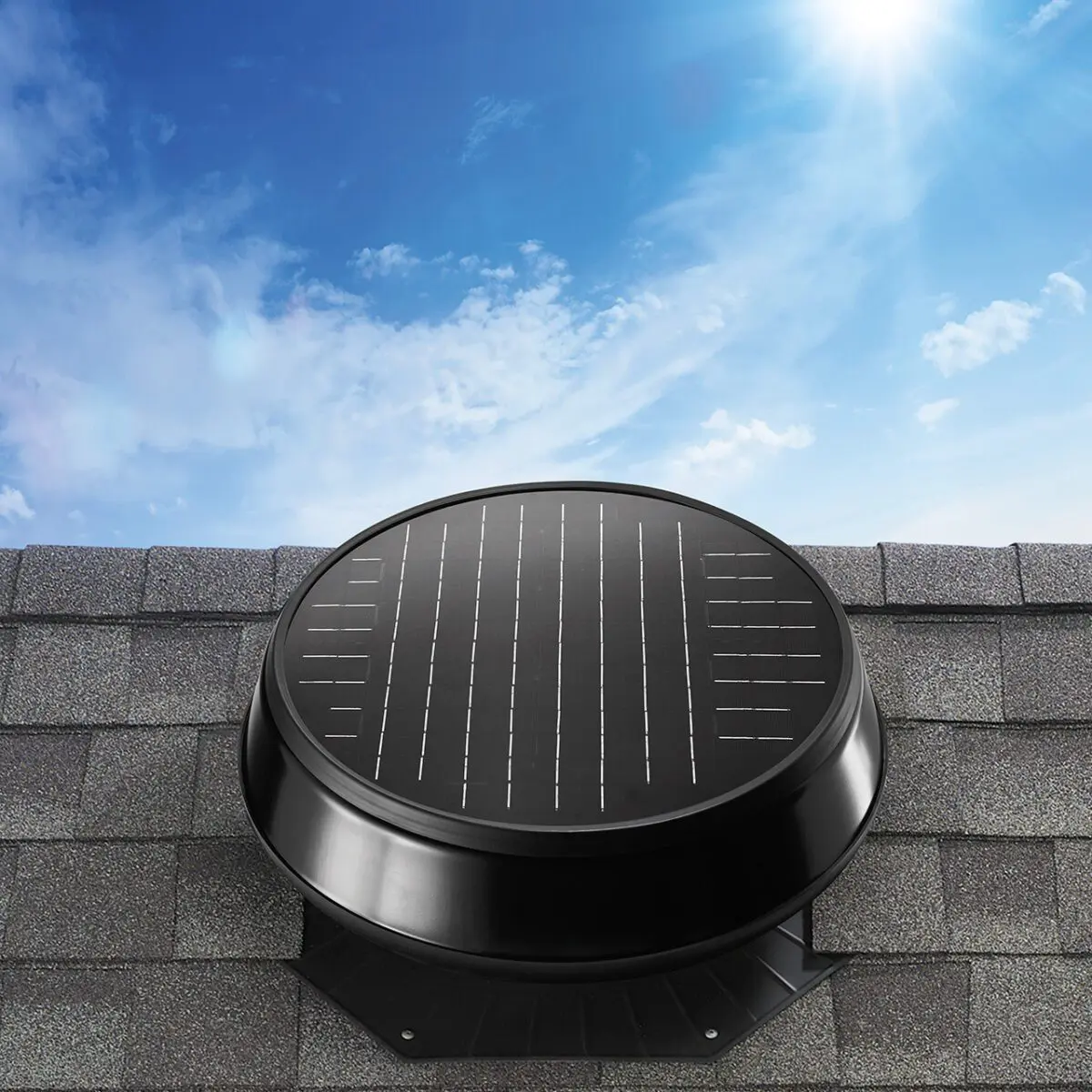
Solar attic fans are often well-suited for Florida homes because of the region’s abundant sun exposure. They respond naturally as attic temperatures rise without increasing energy use. When installed as part of a balanced ventilation system, solar fans can help move heat out more efficiently during peak daytime hours.
Benefits of Attic Fans and Proper Ventilation
If you have ever wondered whether attic fans are worth it in Central Florida, the answer often lies in home comfort and energy use.
The benefits of proper ventilation and attic fans in Florida include:
Roof Protection
Heat and moisture wear down roofing materials when trapped for long periods. Ventilation helps release the buildup, reducing unnecessary stress on the roof system over time.
Energy Efficiency
A hot attic makes it harder for your air conditioner to do its job. Attic ventilation often translates to steadier cooling and less system strain.
Improved Air Quality
Ventilation minimizes the presence of stagnant air. In a humid climate like Central Florida’s, that airflow helps reduce musty conditions and supports a cleaner attic environment.
Prevents Moisture Buildup
Moisture control is a constant challenge in Central Florida. Ventilation helps move humid air out of the attic before it settles into insulation or wood components, where it can quietly cause issues over time.
Reduces Interior Room Temperatures
Attic ventilation does not replace air conditioning, but it can help keep rooms cool, especially upstairs. By limiting heat buildup above the ceiling, your home will feel more balanced during the hottest parts of the day.
Solar Fan Installation Considerations
Solar attic fans work best when they are installed with the rest of the ventilation system in mind. Consider the following factors when installing a solar attic fan:
- Attic Size: Bigger attic spaces require bigger fans for noticeable heat reduction.
- Roof Pitch and Layout: The roof’s shape influences how air moves through the attic and where a fan should be placed to promote proper airflow.
- Sun Exposure: Since solar fans run on sunlight, roof orientation and shading can affect how hard the fan runs during the hottest part of the day.
- Fan Placement: A well-placed fan helps move air throughout the attic rather than pulling from a single area with limited airflow.
- Intake Ventilation: Solar fans require steady supplies of outside air to operate properly.
- Ongoing Upkeep: Solar fans require minimal maintenance, but occasional checks help keep panels clear and components working as intended.
When everything comes together, the fan responds naturally as attic temperatures rise, helping release heat when the Florida sun is at its strongest.
Why Choose Batterbee Roofing for Attic Ventilation in Central Florida
Central Florida’s heat, humidity, and long storm seasons influence how air moves through the attic, which means ventilation solutions are rarely one-size-fits-all. Attic ventilation works best when treated as part of the roofing system—not as an afterthought.
If you’re considering installing attic fans in your Florida home, get the results you’re looking for with the help of a roofing expert. Batterbee Roofing takes a full-picture approach to attic ventilation. We consider your roof structure, airflow balance, and long-term performance goals to recommend the best home comfort solution.
Give us a call or schedule your consultation online.