
Your home’s roof is made up of many components, but two that often go unnoticed are the soffit and fascia. These elements may not be as flashy as shingles, but they play a crucial role in protecting your roof and maintaining its overall health. But what is soffit and fascia? Why are they so important?
The soffit and fascia impact everything from ventilation to energy bills. We’ll break down what they do, how to spot issues, and why it’s important to act before a small problem becomes a big headache.
Understanding Soffit vs Fascia
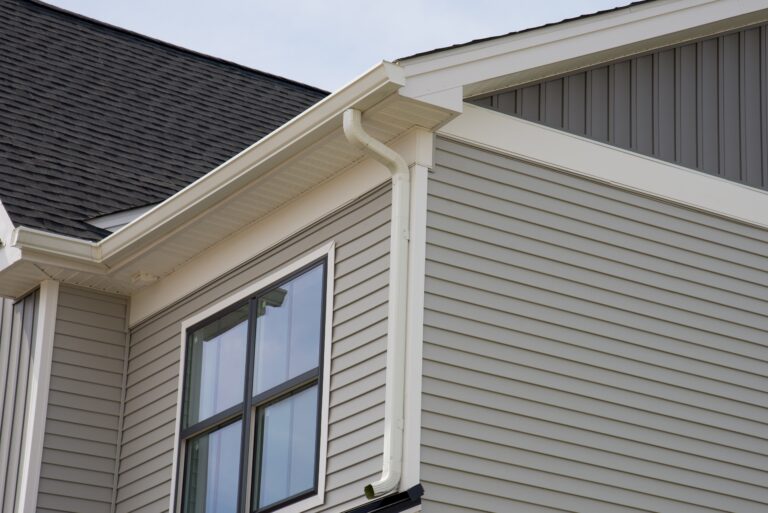
At first glance, soffit and fascia might seem similar; they each serve a unique purpose in your roofing system. Together, these two parts play a critical role in protecting your home, ventilating the attic, and supporting the gutters.
Soffit
Fascia is the horizontal board running along the edge of your roof, where the roof meets the exterior walls. This supports your gutters, helping manage water flow and prevent leaks. While functionality is important, fascia gives your roofline a finished look and adds to your home’s overall aesthetic.
Fascia
Fascia is the horizontal board running along the edge of your roof, where the roof meets the exterior walls. This supports your gutters, helping manage water flow and prevent leaks. While functionality is important, fascia gives your roofline a finished look and adds to your home’s overall aesthetic.
Signs of Soffit & Fascia Damage
Over time, soffit and fascia endure significant damage from various external forces, including weather, general wear and tear, and uninvited pests. The best way to know your condition is to check for these few key signs so that you can catch these problems early:
Animal & Pest Infestations
If you notice your roof is becoming a hotspot for critters and insects, consider it a red flag that your soffit or fascia has been compromised. These pests love to make themselves at home in the nooks and crannies of your roof, and they can cause serious damage if left unchecked. The best way to spot unwanted visitors is to look for droppings, visible nests, or chewed wood.
Sagging or Drooping
Sagging soffit or fascia is often a sign that water has seeped in and caused damage. Moisture can weaken the materials, causing them to sag or droop. If you spot this, it’s time to take a closer look before it leads to more serious issues like leaks.
Increased Energy Bills
When the soffit is unable to ventilate properly, your attic will trap heat, leading to higher energy costs. Poor ventilation forces your HVAC system to work overtime, which can cause your energy bills to skyrocket. If your bills have suddenly spiked but you are not sure why, your attic’s ventilation system might be the culprit.
Visible Rot or Cracking
Rotten soffit or fascia is a telltale sign that moisture has seeped into these components. If you spot soft spots, visible cracks, or discoloration, it’s often due to wood rot. Due to the speed at which rot can spread and put your home’s structure at risk, it’s vital to address any rotten soffit or fascia before the problem escalates.
Peeling Paint & Water Stains
If you notice peeling paint or water stains around your soffit or fascia, that indicates water is entering areas where it shouldn’t be. This type of damage can lead to more significant problems, such as wood rot or leaks inside your home. It’s crucial to address these issues promptly to prevent further problems.
Ways to Protect Your Soffit and Fascia
Now that we’ve covered the signs of damage, let’s look at how you can protect your soffit and fascia from future issues.
- Maintain Your Gutters: Clogged gutters are a leading cause of damage to soffit and fascia. When gutters overflow, water spills over the sides, weakening your fascia and causing your soffit to slowly sag and rot. Regularly cleaning and maintaining your gutters keeps water flowing properly, preventing this kind of damage.
- Ensure Proper Ventilation: Good airflow is crucial for preventing moisture from accumulating in your attic. Blocked ventilation can trap moisture in your soffit, leading to mold and rot. Keep your soffit clear of debris like leaves and dirt to ensure proper airflow and maintain a dry, healthy attic.
- Inspect and Seal Gaps: Over time, slight gaps or cracks can develop in your soffit or fascia, allowing water to seep in. Do some routine checks for any signs of damage or openings, and use caulk or sealant to fill them. This will help keep moisture under control and block easy access for pests, resulting in a longer lifespan for your roof components.
- Trim Overhanging Branches: Trees near your home can drop leaves and branches onto your roof, clog your gutters, and even damage your soffit and fascia. Keep branches trimmed to prevent debris from accumulating, which not only maintains your roof’s functionality but also keeps the overall appearance clean.
Why Choose Batterbee Roofing for Your Soffit & Fascia Services in Central Florida
When it comes to protecting your roof, every detail matters—but that’s where Batterbee Roofing comes in. With years of experience helping homeowners across Central Florida, we know just how important soffit and fascia are for your roof’s overall health and performance. Whether you’re dealing with a minor repair or need a replacement, our team is dedicated to providing reliable service that keeps your roof in great shape.
We specialize in soffit and fascia repairs and replacements, providing reliable solutions that help protect your home. From routine inspections to larger repairs, we ensure your roof remains in excellent condition.
By keeping an eye on the signs of soffit and fascia damage, you can prevent costly repairs down the road and keep your roof working the way it should. If you spot any issues, don’t wait; call the experts at Batterbee Roofing today to keep your home safe and secure no matter what the weather brings.